Prototype Recommender
Configure your requirements to get a recommendation.
Prototyping Process Guide
1. 3D Printing — The Prototyping Workhorse
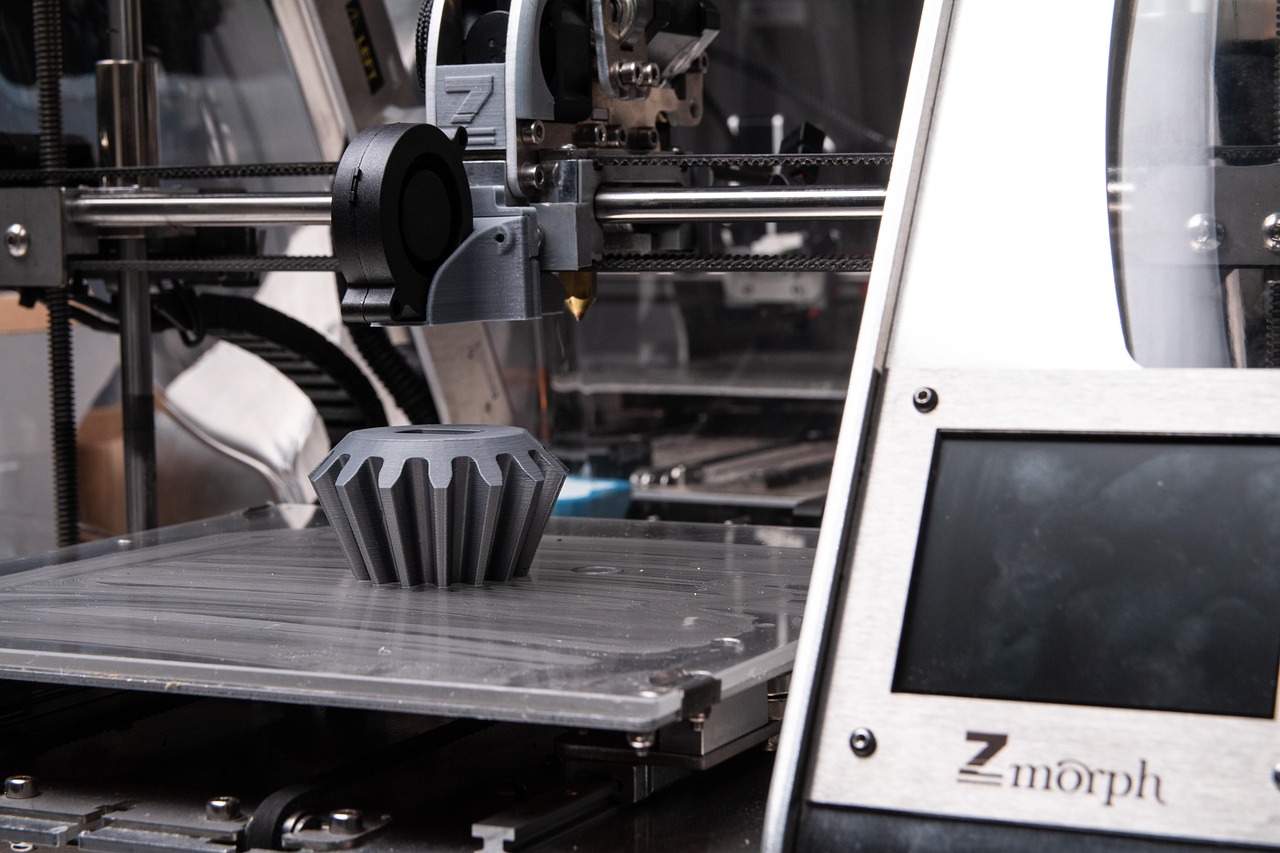
FDM (Fused Deposition Modeling): lowest-cost technology. Melts thermoplastic filament layer by layer. Ideal for concept models, fit-check prototypes, ergonomic validation. Cost: $20-$500. Lead time: 1-5 days.
SLA (Stereolithography): UV-cured resin. Produces much smoother surface finish than FDM. Ideal for appearance models and parts with fine detail. Cost: $50-$1,000. Lead time: 1-5 days.
SLS (Selective Laser Sintering): laser fuses nylon powder. Produces functional parts with good mechanical properties, no support structures needed. Ideal for functional prototypes with complex geometry. Cost: $100-$2,000.
DMLS (Direct Metal Laser Sintering): metal powder laser fusion. Produces actual metal parts with complex geometries impossible in subtractive machining. Cost: $500-$10,000+. Lead time: 1-3 weeks.
2. CNC Machined Prototypes
Why machine a prototype: when the production part will be machined, a machined prototype tests production material, production tolerances, and production surface finish. A 3D printed prototype of a part that will be machined tells you what it looks like — a machined prototype tells you what it is.
Prototype tolerances: prototype machining can hold production tolerances. Specifying prototype tolerances as "per drawing" with tight tolerances significantly increases cost and lead time vs specifying "±0.010 for fit check only."
Material substitution: machining the prototype from a lower-cost material in the same material family (e.g., 6061 aluminum for a 7075 design) is acceptable for fit/function prototypes where strength testing is not the goal.
3. Urethane Casting & Soft Tooling
Urethane casting (RTV molding): a silicone rubber mold is made from a master pattern. Polyurethane resin is cast into the mold. Ideal for appearance models in production colors, market testing quantities (10-50 pieces). Cost: $3,000-$8,000 for mold + part cost.
Injection molded prototypes (Soft tooling): for prototypes and low-volume production (up to 10,000 parts), aluminum injection mold tooling is 40-60% cheaper and 50-70% faster than production steel tooling. Lead time: 4-6 weeks.
4. The Prototype-to-Production Gap
Geometry changes: features that are easy to 3D print (undercuts, internal channels, overhangs) may be impossible or very expensive to produce in the production process.
Material property differences: a urethane cast prototype approved for production appearance does not validate that the production injection molded part in polypropylene will have equivalent impact resistance.
Tolerance stack-up: an assembly that fits perfectly when machined one-at-a-time to high tolerances may not assemble consistently when parts are injection molded or stamped with production process variation.